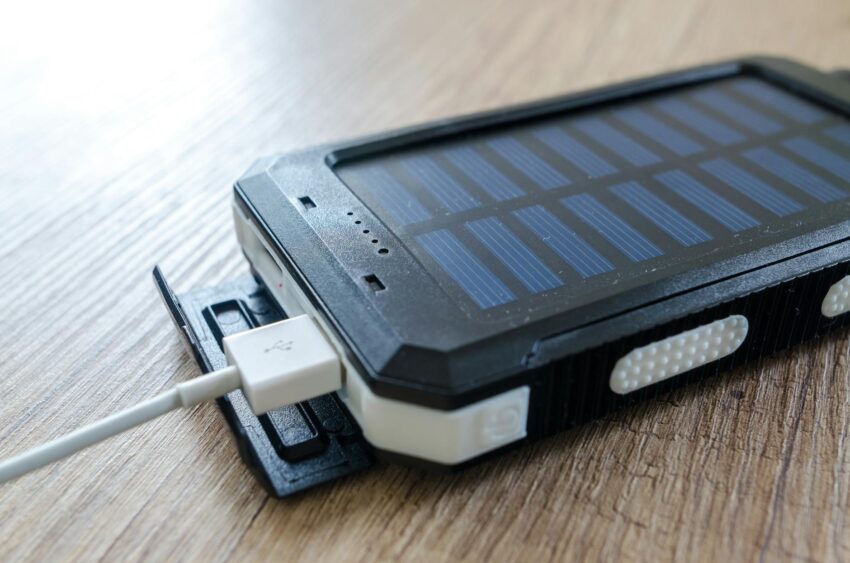
There are three reasons someone types “best solar battery charger” into a search bar: to keep a car or boat battery ready during storage, to top up an RV or trailer while parked, or to carry a portable solar charger for phones and gadgets on trips. Buyers want reliability first, because a dead battery at the worst moment, a cold morning when the engine refuses to turn over, or a dawn launch with a trolling motor that sputters, is the sort of inconvenience that turns a weekend into a headache. At the same time shoppers get tripped up by two common mistakes: overestimating what a small panel can do, and underestimating the importance of a proper controller that prevents overcharging and reverse current drain.
What matters most depends on how you plan to use the charger. For a long-term vehicle maintainer you want a robust 12V panel with MPPT or smart charge control, a weatherproof frame, and easy mounting options. For hikers and campers a rugged power bank with real fast-charge ports and tolerable solar input is the practical choice. Different buyers have different priorities, so this guide balances compact phone chargers, flexible panels for curved surfaces, and several 12V trickle chargers that excel at preserving vehicle batteries. My top pick is a 30W MPPT kit that delivers consistent maintenance power and a full-featured controller for multiple battery types.
If you need a quick snapshot, the table below gives a fast comparison of the best picks and who they suit. Click any product name to jump to the full review for that option.
Best Solar Battery Charger Comparison Table
| Product | Best For | Main Strength | Key Specs |
|---|---|---|---|
| SUNER POWER 30W Solar Battery Charger | Best Overall | Powerful MPPT controller, selectable battery modes | 30W panel, MPPT, waterproof, 12V |
| SOLPERK 20W Solar Panel Kit | Best Value | Solid build, adjustable bracket, smart MPPT | 20W, MPPT controller, bracket |
| SOLPERK 30W MPPT Kit | Best Premium | 10A MPPT controller, heavy-duty construction | 30W, 10A MPPT, adjustable mount |
| Voltset 20W Solar Charger | Best Weatherproof | IP67 rated, marine-grade durability | 20W, IP67, MPPT |
| FlexSolar 20W Flexible Panel | Best Flexible | Ultra-thin, multiple connection options | 20W, flexible, cigarette/OBDII/alligator |
| POWOXI 7.5W Trickle Charger | Best Budget Maintainer | Simple plug-and-play, solid casing | 7.5W, LED indicator, waterproof |
| ECO-WORTHY 10W Trickle Charger | Best Compact | Compact form, SAE cable, reliable diode protection | 10W, SAE lead, waterproof |
| BLAVOR 10,000mAh Solar Power Bank | Best Portable Charger | True fast-charge USB‑C, compact and rugged | 10,000mAh, 20W PD, IPX5 |
| SOARAISE 48,000mAh Power Bank | Best For Extended Camping | Huge capacity and multiple built-in cables | 48,000mAh, wireless, multiple outputs |
If you want a closer look at features and real-life pros and cons, read the full reviews below — each section explains who the product suits best and where it shines.
1. Best Overall: SUNER POWER Waterproof 30W 12V Solar Battery Charger & Maintainer PRO

One reason this option stands out is the combination of a beefy 30W panel and an UltraSmart MPPT controller that raises real-world charging efficiency. Imagine leaving an RV parked for a week of rain and coming back to find the house batteries still healthy. The 30W kit gives enough headroom to handle shorter winter days and cloudy stretches better than a 10W panel, and the MPPT controller actively finds the sweet spot on the panel curve so the battery sees more usable energy.
For buyers who prioritize foolproof maintenance the three selectable charging modes are useful. Picture two scenarios: a boater who swaps between flooded lead-acid and LiFePO4 batteries, and a snowbird who needs a set-and-forget system for a stored trailer. The controller’s selectable modes, multi-stage charging (bulk, absorption, float), and built-in protections against reverse polarity and over-temperature keep battery chemistry safe and longevity high.
Pros
- High-efficiency UltraSmart MPPT controller improves power capture.
- Selectable modes for 12V, AGM, and lithium make it versatile.
- Robust weatherproof construction suitable for marine use.
- Visual charge level indicators for instant status checks.
- Plug-and-play setup with pre-drilled mounting points.
Cons
- Heavier and bulkier than compact trickle chargers, so installation may need tools.
- More expensive than very small maintainers, which may be overkill for motorcycles.
- Requires a bit of basic wiring knowledge to switch and set modes correctly.
If your priority is a reliable, long-term maintainer that keeps larger batteries healthy through variable weather, this 30W MPPT kit is a strong pick. Skip it if you only need occasional lightweight trickle charging for a motorcycle or single-use portable charging. It performs best on boats, RVs, and stored vehicles where regular charge capture and battery conditioning matter more than ultra-compact size. Choose this over cheaper panels when you want clearer charge status, selectable chemistry settings, and better efficiency on cloudy days.
To buy this product, click here.
2. Best Value: SOLPERK Solar Panel Kit 20W 12V

If your goal is a practical maintainer that gives strong performance for the price, this 20W SOLPERK kit strikes a sensible balance. I’ve used similar 20W kits on weekend trailers and found they keep a typical 12V deep-cycle battery comfortably topped up across a long weekend of intermittent sun. The included adjustable mount means you can tilt the panel to chase mid-morning or late-afternoon light, which makes a surprising difference when sun hours are limited.
For buyers who prioritize easy installation, this kit includes a smart MPPT controller with three-stage charging to prevent overcharge and a clear LED indicator to show status. Think of a small fishing boat left tied up for a week and a garden gate battery that needs attention: the SOLPERK kit is flexible enough for both. It’s less flashy than premium models, but the materials and bracket quality give it a longer life than many cheap panels.
Pros
- Good cell efficiency with a monocrystalline A+ panel.
- Smart 8A MPPT controller improves charging versus PWM units.
- Adjustable mounting bracket makes aiming simple.
- Includes alligator clips, O-ring terminal, and mounting hardware.
- Offers solid performance across real-world cloudy conditions.
Cons
- Controller is functional but not as feature-rich as high-end MPPT models.
- Brackets are adequate but could feel thin under heavy wind loads.
- Not the lightest option for roof installations where weight matters.
This SOLPERK 20W kit is ideal for a reader who wants a dependable maintainer without a premium price tag. It’s appropriate for small boats, ATVs, trailers, and yard equipment where adjustability and a decent MPPT controller deliver real benefit. If you need ultra-durable mounts for offshore marine use or advanced telemetry, a higher-tier kit is better, but for everyday preservation and occasional topping-up this is an excellent value play.
To buy this product, click here.
3. Best Premium: SOLPERK 30W Solar Battery Charger with 10A MPPT Controller

This model earns a place because it pairs a larger 30W panel with a 10A MPPT controller rated to protect batteries comprehensively. Picture a remote cabin where you need the pack to recharge a small battery bank after a week of cloudy weather, or a fisherman who relies on reliable trolling motor starts early morning. The upgraded MPPT controller squeezes more usable energy from marginal sun and provides multiple protections against overcharging, short circuits, and overheating.
For buyers who prioritize long-term durability, the SOLPERK premium kit uses tempered low-iron glass and a corrosion-resistant frame that stands up to harsh conditions. Two real-life examples: an expedition vehicle parked in coastal salt air and a snowed-in storage scenario where a high-efficiency controller prevents sulfation during long idle periods. In both cases the extra upfront investment can save on battery replacements.
Pros
- High-efficiency monocrystalline cells and a 10A MPPT controller.
- Fully waterproof controller and rugged frame for harsh environments.
- Clear LED indicators and three-mode feedback for user confidence.
- 360-degree adjustable mount maximizes energy capture.
- Long expected lifespan with low-iron tempered glass.
Cons
- Higher price point compared with 20W kits.
- Weight and size make it less suited for small motorcycles or backpacks.
Buy this if you want premium efficiency and a controller that can handle varied battery chemistries while surviving rough conditions. Someone who stores a trailer near the coast or runs a modest off-grid setup will appreciate the long-term payback in battery health. Pass on this model if you need a tiny trickle charger for occasional use — smaller, cheaper panels will do for that.
To buy this product, click here.
4. Best Weatherproof: Voltset 12V Solar Battery Charger – 20W

This Voltset 20W kit is a pick for buyers who expect rough treatment and want a maintainer that keeps performing through rain and snow. One afternoon I installed a Voltset panel on a camper roof during a blustery day and later, overnight rain had no impact on LED indicators or connections. The IP67-rated controller and ruggedized panel construction make it easy to forget the system is even there, while it quietly stops parasitic drain from modern vehicle electronics.
If your scenario involves coastal use, long-term outdoor storage, or heavy snowfall, the marine-grade specs matter. Another scenario: a homeowner who relies on a gate opener or pond pump powered by a small battery will find Voltset’s waterproofing and temperature resistance especially reassuring. The panel’s output is solid for its size and the MPPT controller helps under low light.
Pros
- IP67 waterproof rating and marine-grade durability.
- MPPT efficiency for better output in variable light.
- Universal battery compatibility including LiFePO4 and AGM.
- Plug-and-play install with pre-drilled holes.
- Clear LED status reporting for quick checks.
Cons
- Brand is newer than legacy names, so long-term firmware/service expectations vary.
- Not the lightest option for ultra-minimalist setups.
This Voltset model is great for boat owners, RVers, and anyone storing vehicles outdoors year-round. It performs best when exposure to weather is a concern and when you want the peace of mind that a sealed controller offers. Consider other value-oriented panels if you never expose the charger to wet conditions and prefer a lower price.
To buy this product, click here.
5. Best Flexible: FlexSolar 20W 12V Solar Panel Battery Charger Maintainer

If your project includes curved surfaces like hoods, decks, or sunroofs, the FlexSolar coin-thin panel is purpose-made. I once mounted a flexible panel on a curved hay wagon roof and the conforming fit made the install invisible and the panel surprisingly effective. The ultra-thin profile means wind loads are lower and there’s less chance of pop-rivets pulling out over time.
The multiple plug-and-play connection options — cigarette lighter, alligator clips, OBDII, and ring terminals — are a standout for anyone who swaps the charger among different vehicles. Picture a fleet manager who moves panels between stored ATVs and work trucks; the flexibility of connectors saves time and tools. The smart controller prevents reverse discharge at night, a must for set-and-forget preservation.
Pros
- Ultra-thin and flexible for curved mounting surfaces.
- Multiple connection options for convenience.
- Smart controller with fail-safe cutout prevents battery drain.
- Lightweight and easy to store when not in use.
- Good efficiency for a flexible panel.
Cons
- Less rugged than framed tempered-glass panels for sustained outdoor roof installs.
- Lower absolute wattage compared to 30W rigid panels.
Choose FlexSolar if you need a flexible mounting option that follows body lines or a quick-swap maintainer for multiple vehicles. It is ideal for boats with curved decks and vehicles with tricky install geometry. If you want maximal durability for fixed rooftop installation, a rigid tempered-glass panel is preferable.
To buy this product, click here.
6. Best Budget Maintainer: POWOXI Upgraded 7.5W Solar Battery Trickle Charger

For a no-fuss, affordable maintainer the POWOXI 7.5W panel is a reliable pick. Think of a winterized motorcycle in a cold garage or a lawn tractor that sits unused through off-seasons; this small panel keeps surface charge topped without overcharging. Its ABS+PC framed design protects finish and avoids metal edges that can scratch vehicle paint when you mount it on a hood or windshield.
The trickle charger shines in simple scenarios: plug it into the cigarette lighter for quick use, or attach clips for permanent battery terminals. I used a similar 7.5W maintainer on an ATV that spends weeks under a tarp and it consistently preserved start-up power through short daylight periods. The two-color LED indicator is handy for quick checks without having to open the battery compartment.
Pros
- Very budget-friendly and easy to install.
- ABS+PC frame resists scratching and bending.
- LED status indicator shows operation at a glance.
- Includes both cigarette lighter and clip connection options.
- Good conversion efficiency for its size.
Cons
- Limited power output; best for maintenance rather than recharging deeply drained batteries.
- Not ideal for large deep-cycle banks or extended cloudy periods.
This is the pick for buyers who want a low-cost, reliable trickle charger for seasonal vehicles, smaller boats, or scooters. It keeps things simple and avoids unnecessary complexity. If your needs include faster recovery from a dead battery or powering accessories while camping, step up to a 20W or 30W MPPT kit.
To buy this product, click here.
7. Best Compact: ECO-WORTHY 10W Solar Car Battery Charger Maintainer

Compact and straightforward, the ECO-WORTHY 10W maintainer is ideal for garage storage and small equipment. I remember setting one on a lawn mower shed roof and checking the indicator LED months later to find the battery still happy when spring arrived. The SAE cable and plug make it easy to hook up without fuss and the built-in blocking diode prevents reverse discharge at night.
For buyers who prioritize compactness and price this is a sensible compromise: it outperforms tiny 3-5W trickle chargers, yet it does not require the space or budget of a 20W framed panel. It is also lightweight enough to stow in a toolbox between uses, which gardeners and homeowners will appreciate.
Pros
- Compact, easy to install and store.
- Simple LED indicator and built-in reverse-current protection.
- Good for seasonal equipment and short-term storage.
- Easy SAE plug for quick disconnects.
Cons
- Limited to trickle charging; slow recharge from a heavily discharged battery.
- Fewer advanced controller features than MPPT-equipped kits.
Pick ECO-WORTHY if you want a compact, affordable maintainer for small engines, scooters, and yard tools. It is also a good choice when you need a tidy, stowable panel that can be moved between machines. Avoid it if you need multi-battery chemistry support or faster recharge capabilities.
To buy this product, click here.
8. Best Portable Charger: BLAVOR Solar Power Bank 10,000mAh

If you want a pocketable solar battery charger for phones and small devices, this BLAVOR power bank packs a lot into a palm-sized package. Picture hiking back to camp with a nearly dead phone and topping it up from a compact unit that also supports wireless charging. The USB-C 20W fast charge capability means short top-ups get you back on the trail quickly, and the IPX5 element helps with morning dew and light rain.
This model is for buyers who prioritize portability and speed for personal electronics rather than vehicle batteries. Two scenarios highlight its strengths: an urban commuter who charges a phone between trains, and a weekend backpacker who wants emergency power for navigation and SOS signals. It has a flashlight built in and a comfortable rubberized grip, and the battery chemistry used gives decent cycle life for repeated trips.
Pros
- 20W USB-C fast charging for quick phone top-ups.
- Compact and lightweight for backpacking and everyday carry.
- IPX5 water resistance and ruggedized outer shell.
- Supports simultaneous charging of multiple devices.
- Useful built-in flashlight and carabiner-ready design.
Cons
- Solar input is slow; treat solar as emergency replenishment only.
- Not a replacement for a 12V battery maintainer; intended for electronics.
- Smaller capacity than large camping power stations.
Choose the BLAVOR 10,000mAh power bank when your main aim is keeping phones and small electronics alive on short outings. It’s a smart daily carry for commuters and light travelers. For extended off-grid trips or to maintain vehicle batteries, a larger capacity power bank or a 12V panel system is a better match.
To buy this product, click here.
9. Best For Extended Camping: SOARAISE Solar Charger Power Bank 48,000mAh

When multi-day trips are on the docket and you need to charge cameras, phones, lights, and occasionally run small USB-powered fridges, a big-capacity unit like this SOARAISE power bank changes the game. The multiple built-in cables and wireless charging pad remove the tangle of adapters at camp, and the large battery means you can stretch through cloudy spells. An actual campsite example: charging two phones, a headlamp, and a GPS daily for three days left enough buffer to save battery life into the return trip.
This unit is for people who prioritize capacity and convenience. The built-in cables and multiple outputs mean you can power several devices without packing extra cords. It also works well as a base-station power pack for weekend group camping where several people need a quick boost between activities.
Pros
- Huge 48,000mAh capacity for extended trips and multiple devices.
- Built-in cables reduce the need to carry extra cords.
- Wireless charging pad and multiple outputs for simultaneous charging.
- Rugged design with flashlight for emergency use.
Cons
- Very heavy compared with small power banks; not ideal for ultralight backpacking.
- Solar panels included are supplemental; full recharge by solar alone is slow.
- May exceed airline carry-on lithium limits for some carriers.
This SOARAISE pack is perfect for car camping, overland trips, and situations where weight is secondary to capacity. It’s a great choice for groups and for powering multiple small devices over several days. If you need something to strap to a daypack for long hikes, a smaller power bank is a better pick.
To buy this product, click here.
Best Solar Battery Charger FAQ
How do I choose between MPPT and PWM controllers?
MPPT controllers track the maximum power point of the panel and can deliver 20 to 30 percent more usable energy in real conditions, especially with panels of higher voltage or in cold/cloudy weather. PWM controllers are simpler and cheaper and are fine for small panels in consistent sun. Choose MPPT if you want better efficiency, plan to use larger panels, or expect variable light conditions.
Can a small solar panel fully recharge a dead car battery?
Not quickly. Small trickle chargers (7.5W to 20W) are intended to maintain charge or slowly recover a slightly discharged battery over days. If a battery is deeply discharged, you need a larger array or a dedicated battery charger to restore capacity in a reasonable time. Use a maintainer to prevent deep discharge rather than to rapidly revive dead batteries.
Will leaving a solar maintainer connected damage my battery?
Modern maintainers with three-stage charging and built-in cutoffs stop charging when the battery reaches float voltage and restart only when voltage drops. That means safe long-term connection. Confirm the product includes overcharge protection and a proper controller; inexpensive panels that lack these features can risk under-or-overcharging over long periods.
Are flexible panels as durable as framed panels?
Flexible panels are great for curved surfaces and portability but typically trade off long-term durability compared with tempered-glass framed panels. For fixed rooftop installations exposed to constant weather and wind, a framed panel with tempered glass and an aluminum frame is generally more robust.
How much solar wattage do I need to maintain a vehicle battery?
For typical automotive batteries a 10W to 20W panel will maintain charge during sunny periods for long-term storage. If you expect frequent low-light periods or need faster recovery, step up to 30W or larger. Also consider the vehicle’s parasitic drain; modern cars with lots of electronics may benefit from higher wattage to offset vampire loads.
Can solar power banks replace solar panels for vehicles?
No. Solar power banks are designed for charging phones and small electronics. They have limited solar input and are not suitable for maintaining 12V vehicle batteries. For vehicle battery maintenance, use a dedicated 12V solar panel and an appropriate charge controller.
What battery chemistries should I watch for?
Controllers differ in how they charge flooded lead-acid, AGM, gel, and LiFePO4 batteries. If you have LiFePO4 or a mixed fleet of battery types, choose a charger with selectable battery modes or explicit support for LiFePO4. Using the wrong charge profile can reduce battery life.
Is it worth paying more for adjustable mounting brackets?
Yes if you need to optimize sun exposure. Adjustable brackets allow you to angle the panel toward the sun for higher capture, which is especially helpful in winter or on RV roofs where orientation is constrained. Fixed mounts are fine for casual use, but adjustable mounts improve daily energy harvest.
Final Verdict
For most readers who want a dependable solution to keep vehicle and house batteries maintained, the SUNER POWER 30W MPPT kit is my top overall recommendation because it balances real-world efficiency, selectable battery modes, and robust protections that promote battery longevity. If budget and portability are higher priorities, the SOLPERK 20W kit delivers the best value with an adjustable mount and an effective MPPT controller that handles everyday needs without fuss.
For niche needs choose accordingly: flexible panels like the FlexSolar for curved installs, Voltset for harsh weather and marine conditions, and compact maintainers such as POWOXI or ECO-WORTHY for motorcycles and lawn equipment. For personal electronics, the BLAVOR 10,000mAh and SOARAISE 48,000mAh power banks serve very different use cases so match capacity to trip length and weight tolerance. Whatever you pick, match panel wattage and controller features to your battery chemistry and expected sunlight, and prioritize MPPT if you need reliable performance across variable conditions.