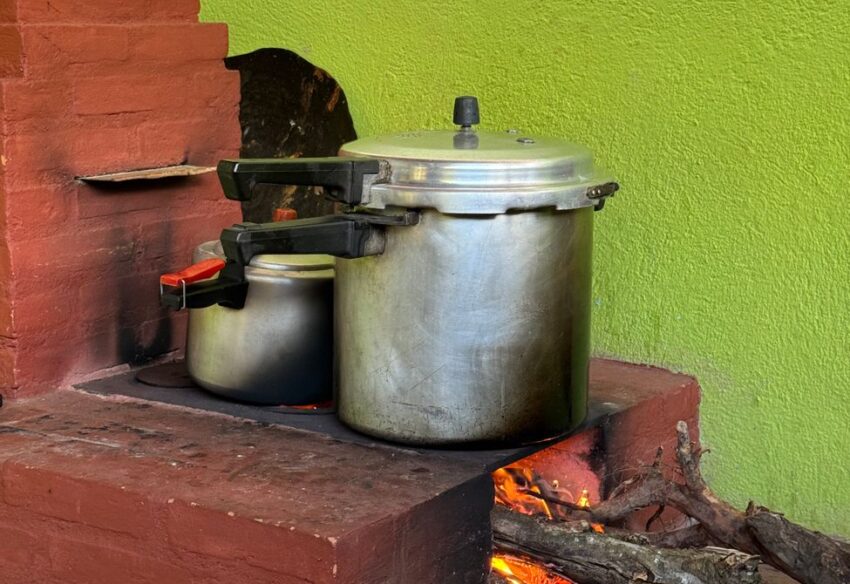
Many people only start comparing kitchen appliances after noticing two things at once. Dinner prep feels harder than it should, and the electric bill is not getting any cheaper. If you are weighing instant pot vs slow cooker electricity usage, the short answer is simple: an Instant Pot usually uses more power at any given moment, but often less electricity overall because it cooks much faster. A slow cooker draws less wattage, yet it runs for far longer.
That means the better choice for energy savings depends on what you are cooking, how long it runs, and whether you are comparing a 35 minute pressure cook cycle to an 8 hour slow simmer. For many everyday meals, the Instant Pot can come out ahead on electricity use. But the gap is often smaller than people expect, and convenience matters too.
This guide breaks down real-world energy use, typical operating costs, cooking scenarios, and the trade-offs that matter in an actual home kitchen. If your goal is to lower utility costs without making dinner harder, this is where to start.
Instant Pot vs slow cooker electricity usage at a glance
Here is the basic comparison most households need.
| Appliance | Typical Wattage | Typical Cooking Time | Estimated Electricity Use Per Meal | General Cost Per Use |
|---|---|---|---|---|
| Instant Pot | 700 to 1200 watts | 20 minutes to 1.5 hours total | 0.2 to 0.8 kWh | Usually low |
| Slow Cooker | 70 to 250 watts on low, 150 to 350 watts on high | 4 to 10 hours | 0.5 to 1.6 kWh | Low to moderate |
These are broad ranges because appliance size, model efficiency, room temperature, food quantity, and cooking mode all matter. Still, the pattern holds up well in real kitchens. A slow cooker often uses lower wattage but keeps using it for most of the day. An Instant Pot uses a stronger burst of power, then cycles on and off while pressure is maintained.
Why wattage alone can be misleading
A lot of people look at the number printed on the label and assume the higher number means the appliance costs more to run. That is not always how it works.
Wattage tells you how much power the appliance can draw at one moment. Your electric bill is based on kilowatt-hours, which measures how much electricity is used over time.
Here is the simplest way to think about it:
- High wattage + short cooking time can still mean low total electricity use
- Low wattage + very long cooking time can add up to more electricity overall
That is why an Instant Pot rated at 1000 watts may still use less electricity for a pot of chili than a 200 watt slow cooker that runs all afternoon.
A quick example
If an Instant Pot averages 900 watts for 40 minutes of active cooking and heat-up time, the math looks like this:
0.9 kW x 0.67 hours = about 0.6 kWh
If a slow cooker averages 180 watts for 8 hours:
0.18 kW x 8 hours = about 1.44 kWh
Even though the slow cooker uses much less power at any moment, it can easily use more electricity by the end of the meal.
How much electricity does an Instant Pot use?
Most Instant Pots and similar electric pressure cookers are rated between 700 and 1200 watts, depending on size and model. Six quart models often land around 1000 watts. Larger units may be higher.
That sounds like a lot compared with a slow cooker, but it does not pull full power the whole time. The highest draw usually happens during preheating and pressure build-up. Once pressure is reached, the heating element cycles to maintain temperature.
Typical Instant Pot energy use by cooking task
| Cooking Task | Estimated Total Time | Estimated Electricity Use |
|---|---|---|
| Rice | 20 to 30 minutes | 0.2 to 0.35 kWh |
| Dried beans | 45 to 70 minutes | 0.4 to 0.7 kWh |
| Soup or chili | 35 to 60 minutes | 0.3 to 0.7 kWh |
| Pot roast or stew | 1 to 1.5 hours | 0.6 to 0.9 kWh |
These estimates include the practical reality that pressure cooking is not just the programmed cook time. It also includes the warm-up period and sometimes natural pressure release. Even so, the total energy use often stays fairly modest.
What does that cost?
If your electricity rate is:
- $0.15 per kWh, a 0.5 kWh meal costs about 8 cents
- $0.25 per kWh, that same meal costs about 13 cents
- $0.35 per kWh, it costs about 18 cents
That is one reason electric pressure cookers are often considered efficient for batch cooking. They are fast, sealed, and waste relatively little heat into the room.
How much electricity does a slow cooker use?
Slow cookers usually draw far less power than pressure cookers. Smaller models may use around 70 to 120 watts on low. Larger ones often run in the 180 to 250 watt range, and high settings can climb higher.
But a slow cooker’s low wattage only tells part of the story. It may run for 6, 8, or 10 hours, especially for stews, pulled pork, soups, or beans. That long operating window is where electricity use builds up.
Typical slow cooker energy use by cooking task
| Cooking Task | Estimated Total Time | Estimated Electricity Use |
|---|---|---|
| Overnight oatmeal or casserole | 4 to 6 hours | 0.4 to 0.8 kWh |
| Soup or chili | 6 to 8 hours | 0.7 to 1.2 kWh |
| Beans | 7 to 9 hours | 0.9 to 1.4 kWh |
| Roast or pulled meat | 8 to 10 hours | 1.0 to 1.6 kWh |
Again, this varies by model and setting. Some newer slow cookers cycle heat more efficiently than older ones. A full pot also tends to run more efficiently than one that is barely filled.
What does that cost?
At typical residential electric rates, many slow cooker meals still cost well under a dollar to make. But they can cost noticeably more than pressure cooking for the same end result.
- 0.8 kWh at $0.15 per kWh = about 12 cents
- 1.2 kWh at $0.25 per kWh = about 30 cents
- 1.5 kWh at $0.35 per kWh = about 53 cents
Those numbers are still low in the bigger picture of a household bill, but if you cook this way several times a week, the difference becomes easier to notice.
Instant Pot vs slow cooker electricity usage for common meals
The best comparison is not appliance versus appliance in the abstract. It is meal versus meal. The same ingredients can lead to different energy outcomes depending on method.
Chili
A slow cooker chili might run 6 to 8 hours. An Instant Pot chili may be done in under an hour, including pressure build-up.
Likely winner for electricity: Instant Pot
Beef stew
A stew made in a slow cooker develops flavor gradually over the day. An Instant Pot reaches a similar tender texture much faster. If your priority is lower electric use, the faster pressure method usually wins.
Likely winner for electricity: Instant Pot
Pulled pork
This one depends on your preferred texture. Slow cookers are popular because they can gently soften tougher cuts over many hours. The Instant Pot can do it faster, but some people still prefer slow-cooked texture.
Likely winner for electricity: Instant Pot, but quality preference may favor slow cooker
Beans
Dried beans are one of the clearest examples. Pressure cooking usually takes a fraction of the time and often less electricity overall.
Likely winner for electricity: Instant Pot
Keep-warm buffet style meals
If you want food to stay safely warm through a party, potluck, or long family dinner, a slow cooker can make more sense. The Instant Pot’s keep-warm mode works too, but that is not really its strongest use case.
Likely winner for practicality: Slow cooker
Why the Instant Pot often uses less electricity overall
There are a few reasons pressure cookers tend to do well in energy comparisons.
It cooks under pressure
Water boils at a higher temperature inside a sealed pressure cooker. Food cooks faster because the internal cooking environment is hotter and more efficient.
Less heat escapes
The lid seals tightly, which limits heat loss. A slow cooker also has a lid, but pressure cooking is still a more contained process overall.
Shorter cooking times reduce total energy use
This is the big one. Even if the appliance pulls 1000 watts, it may only need that power for a short period. A slow cooker can spend the whole day sipping electricity, but sipping for eight hours still adds up.
It can replace several stovetop tasks
In some households, the Instant Pot saves energy not just compared with a slow cooker, but compared with simmering on an electric range for hours. That can be especially helpful in summer, when extra kitchen heat makes the air conditioner work harder.
When a slow cooker can still make sense
Even if the slow cooker often loses on strict electricity usage, that does not make it a bad choice. For some homes, it is still the more practical tool.
It is easier for all-day cooking
If you want to load ingredients in the morning and come home to dinner, the slow cooker is built for that. An Instant Pot is faster, but it is not a true set-it-before-work substitute for every recipe.
It has a gentler cooking style
Some dishes benefit from that long, steady heat. Certain braises, broths, and shredded meat recipes turn out better with time rather than pressure.
It can be simpler to use
Not everyone wants to manage pressure release, sauté mode, sealing rings, and multiple settings. A slow cooker often has just low, high, and warm. For many people, that simplicity wins.
It is useful for serving
For parties, family holidays, and potlucks, slow cookers double as serving vessels that hold food at a stable temperature for hours.
Electricity cost comparison by weekly and yearly use
A single meal difference might only be a few cents. Over time, regular use can make the gap more noticeable.
Here is a practical example using two rough assumptions:
- Instant Pot meal average: 0.6 kWh
- Slow cooker meal average: 1.1 kWh
| Usage Pattern | Instant Pot kWh | Slow Cooker kWh | Difference |
|---|---|---|---|
| 1 meal per week | 31.2 kWh/year | 57.2 kWh/year | 26 kWh/year |
| 3 meals per week | 93.6 kWh/year | 171.6 kWh/year | 78 kWh/year |
| 5 meals per week | 156 kWh/year | 286 kWh/year | 130 kWh/year |
At an electricity rate of $0.20 per kWh, using the Instant Pot instead of the slow cooker for three similar meals a week could save about $15 to $16 per year. At $0.35 per kWh, it would be around $27.
That is not life-changing money, but it is real. And if the Instant Pot also replaces some oven and stovetop use, the practical savings may be a bit higher.
How both compare with an oven or electric stove
This is where both appliances often look good.
Electric ovens commonly draw 2000 to 5000 watts while heating. Electric stovetops often use 1000 to 3000 watts per burner setting. They do not necessarily run at full power nonstop, but long braises and simmering sessions can use a fair amount of energy.
If you are deciding between:
- an all-day oven braise
- a long stovetop simmer
- a slow cooker meal
- an Instant Pot version
The Instant Pot is frequently the most efficient electric option. The slow cooker often also beats the oven, particularly for long moist-heat dishes. So even if the slow cooker uses more electricity than the Instant Pot, it can still be a smart lower-energy alternative to conventional cooking.
Hidden factors that affect actual electricity use
Two people can use the same appliance and get different results on their bills. A few details make a real difference.
Appliance size
A large 8 quart cooker used for a small batch can waste energy compared with a well-filled 3 or 6 quart model. Matching the appliance to the amount of food matters.
How full the pot is
Cooking very small amounts in a large slow cooker is usually less efficient. A fuller pot tends to hold heat better and make better use of the electricity going in.
Starting with frozen food
An Instant Pot can safely cook some frozen ingredients, but it will take longer to reach pressure. That adds energy use. A slow cooker generally should not be used to cook large frozen items from scratch because the food can stay too long in an unsafe temperature range.
Room temperature
A cold kitchen means the appliance may need slightly more energy to maintain heat. The difference is usually not huge, but it exists.
Keep-warm mode
Leaving either appliance on warm for hours can chip away at any efficiency advantage. This is especially common with slow cookers after the main cooking time is already done.
Old versus new models
Older slow cookers can be less consistent and less efficient. Newer Instant Pots may also have better control logic than earlier generations. The differences are usually moderate, not dramatic.
Common myths about kitchen appliance energy use
Myth: Lower wattage always means lower cost
Not true. Time matters just as much as wattage. This is the biggest misunderstanding in the instant pot vs slow cooker electricity usage debate.
Myth: Pressure cookers are expensive to run because they are high wattage
They can look expensive on paper because the wattage number is high. In practice, they are often quite efficient because the cooking time is short.
Myth: Slow cookers barely use any electricity
They are efficient compared with many ovens, but not free to run. Eight or ten hours of heating still uses meaningful electricity.
Myth: Keep-warm mode uses almost nothing
It uses less than active cooking, but over several hours it still adds up. If dinner is done, switching off and refrigerating leftovers sooner can save a little energy.
Myth: The appliance itself matters more than the recipe
Often the recipe is the bigger factor. A pressure cooker shines for beans, stews, and soups. A slow cooker may be used longer than necessary if the recipe is written conservatively.
Practical pros and cons from an energy-saving perspective
Instant Pot pros
- Usually lower total electricity use for long-cook foods
- Fast cooking reduces kitchen heat
- Often cheaper to run than oven or stovetop simmering
- Good for batch cooking beans, soups, rice, and stews
- Useful in summer because it does not heat the room as much
Instant Pot cons
- Higher peak wattage
- Can feel less intuitive for some users
- Not every recipe gets the same texture as slow cooking
- Natural pressure release adds time even if active power use is lower
Slow cooker pros
- Simple and low-stress to operate
- Good for all-day unattended cooking
- Works well for gentle braising and serving warm food
- Still generally efficient compared with many oven meals
Slow cooker cons
- Often uses more electricity overall for the same type of meal
- Long run times can erase the benefit of lower wattage
- Keep-warm mode is easy to overuse
- Less ideal if your main goal is speed and low energy use
Which is cheaper to run in a small apartment?
In a small apartment, the Instant Pot often has an extra advantage beyond electricity use alone. It throws less heat into the room than an oven or long stovetop session, and usually less total heat than a many-hour slow cooker cycle. That can matter during warm months.
If your kitchen gets stuffy easily or your window AC already struggles, using a sealed countertop cooker can help keep indoor temperatures more manageable. The energy savings might not only show up in cooking costs, but also in slightly reduced cooling load.
For renters with limited kitchen space, a multi-cooker can also replace several functions:
- pressure cooker
- rice cooker
- slow cooker
- steamer
- sometimes sauté pan for one-pot meals
That does not automatically make it the best buy for everyone, but it does improve its practical value.
Best ways to reduce electricity usage with either appliance
The appliance matters, but habits matter too. A few small changes can shave energy use without making cooking harder.
1. Match the appliance to the meal
Use the Instant Pot for foods that benefit from pressure and shorter cook times, such as beans, lentils, stock, soups, stews, and tougher cuts of meat. Use the slow cooker when all-day timing or a gentle finish matters more than the extra electricity.
2. Avoid oversized cookers for tiny batches
If you regularly cook for one or two people, a very large cooker is not always the most efficient choice.
3. Limit keep-warm time
If dinner is ready, eat and store leftovers rather than leaving the appliance on for several extra hours.
4. Batch cook on purpose
Making enough for two or three meals spreads the electricity use across more servings. This is one of the easiest ways to improve efficiency.
5. Use the right release method
With an Instant Pot, follow recipe guidance. Natural release can be best for some foods, but unnecessarily long waiting periods can turn a quick dinner into a drawn-out process. The energy impact is not huge during passive release, but total meal time still matters to busy households.
6. Keep lids on
This sounds obvious, but frequent peeking on a slow cooker lets out heat and extends cooking time.
7. Pre-soak beans when practical
Pressure cookers can handle unsoaked beans well, but soaking can still shorten cooking time. For slow cookers, proper prep also helps avoid very long runs.
8. Keep the appliance clean and in good shape
A damaged sealing ring, warped lid, or poor fit can reduce efficiency. Slow cookers with cracked lids also lose heat more easily.
What about standby power?
Standby power for these appliances is usually very small, especially compared with active cooking. A plugged-in Instant Pot with a display may use a tiny trickle of electricity when idle. A basic manual slow cooker often uses almost none when switched off, even if plugged in.
If you are focused on every watt, unplugging rarely used countertop appliances is reasonable. But active cooking energy matters far more than standby draw in this comparison.
Should you replace a working slow cooker just to save electricity?
Usually, no.
If you already own a working slow cooker and use it a couple of times a month, replacing it purely for energy savings probably will not pay off quickly. The yearly electricity difference is often too small to justify buying a new appliance on that reason alone.
Buying an Instant Pot makes more sense if you also want:
- faster meals
- one-pot cooking convenience
- less summer kitchen heat
- better performance for beans, grains, soups, and batch cooking
- a way to reduce oven and stovetop use
On the other hand, if you love slow-cooked roasts and use the appliance mainly for hands-off family meals, keeping the slow cooker may be the more practical decision even if it uses a bit more electricity.
Best choice by household type
For budget-focused households
The Instant Pot usually wins on electricity per comparable meal, especially if you cook dried beans, soups, rice, and stews regularly.
For busy families
This is more mixed. If you need dinner ready right after work with almost no evening prep, the slow cooker still has a real advantage.
For apartment renters
The Instant Pot is often the stronger all-around pick because it saves space, limits kitchen heat, and handles multiple cooking tasks.
For people who meal prep
Pressure cooking is often more efficient because it can turn dry pantry staples into several meals quickly.
For people who prefer simple controls
The slow cooker remains hard to beat. Less fiddling can matter more than saving a few cents per use.
FAQ
Does an Instant Pot use less electricity than a slow cooker?
Usually, yes. Even though an Instant Pot has higher wattage, it often uses less electricity overall because it cooks much faster. The exact difference depends on the recipe, appliance size, and cooking time.
Is a slow cooker expensive to run all day?
Not usually expensive, but not negligible either. A slow cooker may still only cost a few cents to a few dozen cents per use, depending on local electric rates. Over an entire year, frequent all-day use can add up more than many people expect.
Which is cheaper to run, Instant Pot or crock pot?
For most similar meals, the Instant Pot is cheaper to run. A crock pot or slow cooker uses lower wattage but often runs for 6 to 10 hours, which can lead to higher total kilowatt-hour use.
Do Instant Pots use a lot of electricity on keep warm?
Keep-warm mode uses much less electricity than pressure cooking, but it still adds to the total if left on for hours. It is best used for short holding periods, not half the day.
Is it cheaper to use a slow cooker than an electric oven?
Often yes. Slow cookers are generally cheaper to run than electric ovens for long, moist-heat meals. An Instant Pot is often cheaper still for many of the same foods.
Does cooking time or wattage matter more?
Both matter, but total electricity use depends on the combination of the two. High wattage for a short time can use less energy than low wattage for many hours.
Can using an Instant Pot reduce summer cooling costs?
It can help a little in some homes because it releases less heat into the kitchen than an oven or long stovetop simmer. The impact varies, but in small apartments it can be noticeable.
Final take on instant pot vs slow cooker electricity usage
If your main goal is lower electricity use, the Instant Pot usually comes out ahead. It draws more power while heating, but the shorter cook time often means lower total energy use per meal. For beans, soups, stews, rice, and many braised dishes, that is the more efficient route.
The slow cooker still has a place. It is simple, dependable, and ideal for meals that need to cook unattended through the day. It can also be a better fit for certain textures and serving situations.
For most households, this is the practical takeaway: use the Instant Pot when speed and lower electricity use matter, and use the slow cooker when timing and convenience matter more. If you already own both, choosing the right one recipe by recipe is the smartest way to save energy without making dinner more complicated.