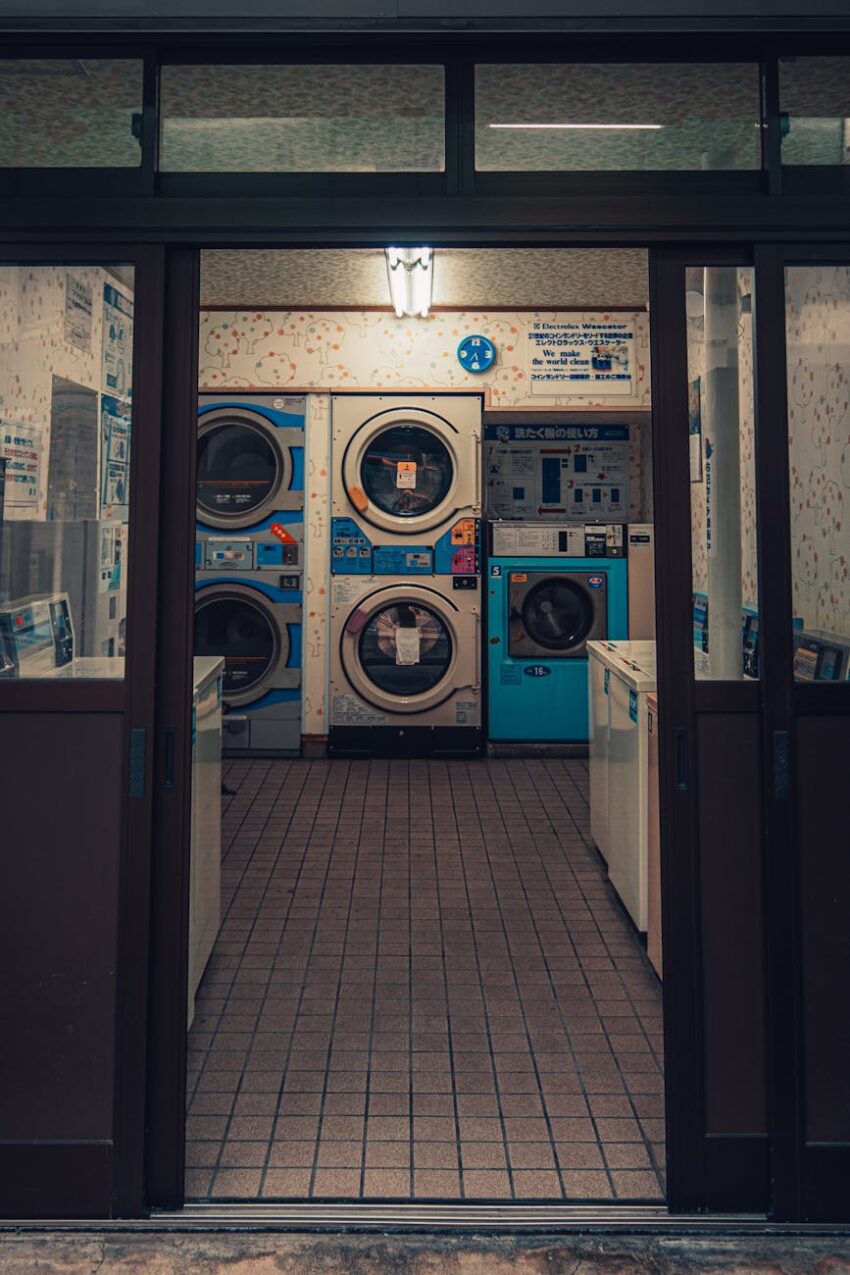
Most people start thinking about their dryer only after opening a high electricity bill or when a rainy week fills the house with damp laundry. If you have asked, “how much electricity does a dryer use,” you are asking the right practical question. Dryers can be one of the bigger energy users in a home, but the answer depends on the type of dryer, how you use it, and simple maintenance habits.
How much electricity does a dryer use: quick answer
A typical electric resistance dryer uses roughly 2.5 to 4.0 kilowatt-hours (kWh) per load. Heat pump dryers, which are more efficient, usually use about 1.0 to 2.0 kWh per load. Gas dryers provide heat from gas but still use a small amount of electricity for the drum motor and controls, typically 0.2 to 0.6 kWh per load. Exact numbers depend on load size, cycle length, spin speed from the washer, and dryer condition.
Why dryer energy use varies so much
Dryers have three main energy demands: the heating system, the drum motor, and the control electronics or sensors. How long the heater runs is the biggest factor. A few realistic variables change energy use a lot:
- Dryer type. Electric resistance, gas, condenser, and heat pump dryers use different amounts of electricity.
- Load wetness. A load that comes out of the washer very wet requires more drying time.
- Spin speed. Higher washer spin speed removes more water, cutting dryer time and energy.
- Cycle selection. Timed heat cycles use more energy than auto-dry or moisture-sensing cycles.
- Vent condition. Blocked or long vents reduce airflow and lengthen drying time.
- Dryer condition. Clogged lint screens, worn seals, or failing sensors increase energy use.
- Drying strategy. Doing partial loads, overdrying, or splitting loads increases energy per garment.
Heating vs motor: which uses more power?
The heating element uses far more power than the drum motor. On an electric resistance dryer the heater can draw 2,400 to 6,000 watts depending on model and setting. The drum motor and controls typically draw 100 to 300 watts. That means most of the kilowatt-hours consumed go to producing heat.
Typical energy use by dryer type
Different dryer technologies use energy differently. The ranges below are realistic averages for household dryers and reflect normal loads, not extreme cases.
| Dryer type | Typical electrical use per load (kWh) | Notes |
|---|---|---|
| Electric resistance (vented) | 2.5 to 4.0 kWh | Common US household model. Heat from electric resistance elements. |
| Condenser (resistance) | 2.5 to 4.5 kWh | Similar heating energy, but condenser models can run longer and may use slightly more electricity. |
| Gas dryer (electric use only) | 0.2 to 0.6 kWh | Gas provides heat. Electricity used for drum motor, controls, and fans. Gas energy cost should be considered separately. |
| Heat pump dryer | 1.0 to 2.0 kWh | Recycles heat and runs at lower temperatures. Higher upfront cost but lower operating energy. |
| Commercial/laundromat machines | 3.0 to 6.0+ kWh | Larger capacity and faster cycles. You may pay more per load but they can be faster and more efficient per pound in some cases. |
Calculating annual electricity use and cost examples
Practical decisions benefit from concrete numbers. Below are typical annual estimates based on common laundry frequencies. I will use three representative electricity rates to show how costs change by location: low ($0.12 per kWh), average ($0.18 per kWh), and high ($0.30 per kWh). Adjust for your local rate.
Assumptions for the examples
- Loads per week: 3, 5, or 8
- Electric resistance dryer average: 3.0 kWh per load
- Heat pump dryer average: 1.5 kWh per load
- Yearly loads = loads per week × 52
| Scenario | Loads/year | Electric dryer kWh/year | Cost/year at $0.12 | Cost/year at $0.18 | Cost/year at $0.30 |
|---|---|---|---|---|---|
| 3 loads/week (small household) | 156 | 468 kWh | $56 | $84 | $140 |
| 5 loads/week (average family) | 260 | 780 kWh | $94 | $140 | $234 |
| 8 loads/week (large family) | 416 | 1,248 kWh | $150 | $225 | $374 |
Now the same scenarios with a heat pump dryer:
| Scenario | Loads/year | Heat pump dryer kWh/year | Cost/year at $0.12 | Cost/year at $0.18 | Cost/year at $0.30 |
|---|---|---|---|---|---|
| 3 loads/week | 156 | 234 kWh | $28 | $42 | $70 |
| 5 loads/week | 260 | 390 kWh | $47 | $70 | $117 |
| 8 loads/week | 416 | 624 kWh | $75 | $112 | $187 |
These examples show that switching from a standard electric dryer to a heat pump model can cut dryer electricity use roughly in half. Over time, that can add up to substantial savings depending on how often you dry clothes.
How to measure your dryer’s actual electricity use
Estimating is useful, but measuring confirms what your dryer uses in your home. Here are practical ways to measure energy use safely.
Use a plug-in energy monitor
Plug-in meters like Kill A Watt style devices work for small, self-contained electric dryers, but most electric dryers are hardwired or on a 240V outlet that those monitors do not support. If your dryer plugs into a standard receptacle that the monitor can accept, run a full dry cycle and read the kWh directly.
Whole-home energy monitor
A whole-home energy monitor that clamps around the main service wires provides accurate energy for the entire home and can show the spike during dryer cycles. Many modern monitors show usage by appliance if you track cycles and timestamps.
Smart plug or circuit monitor (for compatible dryers)
For 120V dryers or the small electric models used in some apartments, a smart plug with energy tracking can log kWh per cycle. Beware of maximum current limits on the plug. Do not attempt this with 240V dryers unless the device is rated for that voltage.
Call an electrician for direct measurement
If you want exact numbers for a hardwired 240V dryer, a licensed electrician can install a temporary clamp meter on the dryer circuit and record the true kWh per cycle. This is the most accurate but also the most expensive measurement option.
Estimate from timed cycles and rating plate
You can approximate energy use using the dryer’s power rating if the dryer specifies it. Multiply the heater power (in kW) by time running. If a dryer heater is 3 kW and the heater runs for 45 minutes, that uses 3 kW × 0.75 hours = 2.25 kWh. This requires knowing how long the heater is actually on, which is why measured values are better.
Practical ways to lower dryer electricity use
Small changes add up. Many measures cost nothing and only need a change in habit. Others require investment but offer strong paybacks if you dry a lot of laundry.
Behavioral changes that save energy
- Use a fast washer spin. Increase spin RPM to remove more water. Most front-load washers can dramatically cut residual moisture.
- Do fuller but not overloaded loads. A full dryer load is more efficient per pound than several small runs. Avoid packing too tightly, which traps moisture.
- Avoid overdrying. Use moisture sensor or automatic cycles. Stop the cycle when clothes are dry, not bone dry.
- Air dry when practical. Towels and delicates can often hang-dry inside or out, saving a lot of electricity.
- Combine loads. If you have partial loads on multiple days, combine them into one run when possible.
- Dry similar fabrics together. Heavy fabrics like towels take longer. Dry similar items together to avoid overdrying smaller items.
Maintenance and small upgrades
- Clean the lint trap each cycle. Clogged lint reduces airflow and increases run time.
- Check and clean the dryer vent. Every year, inspect and clean the vent and ducting. Long, kinked, or clogged vents can double drying time.
- Replace worn seals and gaskets. Leaky doors let warm air escape, prolonging cycles.
- Use dryer balls. Wool or plastic balls can break up clumps and reduce drying time by 10 to 25 percent in many cases.
- Service failing components. Sensors, thermostats, or heating elements that fail may cause long cycles or energy waste.
Appliance and technology choices
- Choose a dryer with moisture sensors. Timed cycles are less efficient than sensor-dry settings.
- Consider a heat pump dryer. They use less electricity, especially in cold climates or for frequent drying.
- Match washer and dryer capacities. A high-capacity washer that leaves more water in clothes can reduce dryer time when used with a compatible dryer.
- Install efficient venting. Short, straight duct runs with smooth metal ducts improve airflow.
When to use laundromats or shared machines
Using a laundromat or on-site shared laundry can make sense if it reduces total cycles or if their commercial dryers are more efficient per pound. Compare prices and calculate whether trip costs offset home electricity savings.
Upgrading to a new dryer: cost, payback, and what to look for
Upgrading can reduce ongoing costs but requires an upfront purchase decision. Consider frequency of use, electricity rates, and space before deciding.
Heat pump dryers
Heat pump dryers cost more up front but use much less electricity. If you dry many loads per week, payback can be a few years. They also run at lower temperatures, which is gentler on clothes. Consider a long-term owner who dries a lot as a good candidate for a heat pump model.
Gas dryers
Gas dryers can be cheaper to operate if natural gas rates are low in your area. However, they use some electricity and require a gas hookup and proper venting. When comparing gas to electric, include both gas bills and electricity used by the dryer in your calculations.
Front-loading electric dryers with advanced sensors
Modern electric models with accurate moisture sensors and efficient airflow can reduce wasted energy. These models are often cheaper than heat pump dryers and offer a balance of lower upfront cost with decent efficiency gains.
Calculating payback
To estimate payback for an upgrade, compare annual operating cost savings to the price difference. Example: if a heat pump dryer saves $120 per year versus an electric resistance dryer and costs $800 more, simple payback is about 6.5 years. Factor in maintenance costs and expected lifetime when evaluating the investment.
Common myths and mistakes about dryer energy use
- Myth: Dryer sheets significantly reduce drying time. Dryer sheets mainly reduce static and add fragrance. They do not materially speed drying.
- Mistake: Doing many small loads. Small loads use more energy per pound of laundry than full, properly loaded cycles.
- Myth: Turning the dryer off and on saves energy. Restarting a dryer does not save energy and may extend total run time. Better to run a complete cycle with similar fabrics.
- Mistake: Ignoring vent problems. A clogged vent is a common source of higher energy use and a safety hazard.
- Myth: Cold tumble saves a lot of energy. Using a no-heat tumble setting saves heat but often leaves clothes damp. It may require longer runs and not deliver the expected savings.
Comparing alternatives: air drying, washer-dryer combos, and laundromat
Choices depend on space, weather, time, and personal preference. Here are practical trade-offs.
Air drying
Air drying uses minimal electricity and can preserve clothes, but it takes time and may not be practical in small apartments or humid seasons. Indoor drying racks can be a good compromise. Air-drying towels outside can save a lot of energy, especially in sunny weather.
Washer-dryer combos
Combo units that wash and dry in one drum often take longer to dry and can use more energy than separate machines. Their advantage is space and convenience, not energy efficiency.
Laundromats
Laundromats with large-capacity machines can be efficient per pound but you pay per load. They make sense for occasional large loads or when upgrading your home machine does not fit your budget.
Practical checklist to cut dryer electricity use
- Use a high spin speed on the washer before drying.
- Run full loads but avoid overloading.
- Use moisture-sensing settings rather than timed cycles.
- Clean the lint trap after every load.
- Inspect and clean the venting at least annually.
- Consider wool dryer balls to reduce drying time.
- Line-dry when possible, especially in warm or dry weather.
- Buy a heat pump dryer if you have frequent drying needs and a long-term ownership plan.
- Measure actual energy use if you want precise numbers.
Real-world scenarios and tips
Examples help make the guidance concrete. Here are a few common household situations and practical steps.
Apartment dweller with a stackable unit
Stackable units are often condenser or small electric models. Maximize the washer spin spin speed, do full loads, and use a drying rack for a portion of laundry. If venting is poor, line-dry delicate items and use the dryer for heavy items like jeans and towels.
Family with frequent loads
If you run laundry multiple times per week, a heat pump dryer often pays off faster. Also maintain the vent and use high spin settings on a quality washer. Consider scheduling loads so multiple loads run consecutively, which makes the dryer operate more efficiently by using residual heat.
Older dryer with long cycles
Long cycles can signal reduced efficiency. Clean the vent and lint screen, check the drum seals, and consider replacing the unit if repairs approach the cost of a new, efficient dryer.
Safety and maintenance notes
- Lint accumulation is a fire hazard. Clean the lint screen after each use and check the vent annually.
- Never block the dryer vent. Maintain clear exhaust to the outside where applicable.
- If you smell burning or the dryer overheats, stop use and have it serviced.
- Use proper ducting. Avoid plastic or vinyl flexible ducts that can trap lint. Prefer rigid or semi-rigid metal ducts for better airflow.
FAQ
How much does a dryer add to my electric bill?
It depends on your dryer type, usage, and electricity rate. A typical electric dryer using 3.0 kWh per load, with 5 loads per week, adds about 780 kWh per year. At $0.18 per kWh that is roughly $140 per year. Results vary by local rates and load frequency.
Are heat pump dryers worth the extra cost?
For households that dry a lot of laundry, yes. Heat pump dryers cut electricity use roughly in half compared to standard electric models. Payback depends on how often you dry, your electricity price, and the cost difference. If you dry several loads weekly and plan to keep the dryer for many years, they are often worth it.
Is it cheaper to use a laundromat?
Compare the cost per load at the laundromat with the combined cost of operating your washer and dryer at home, plus travel and time. For occasional large loads, laundromats with high-capacity machines can be efficient. For regular weekly laundry, home machines usually cost less overall.
Will dryer balls really save energy?
Yes, to a point. Dryer balls help separate items and improve airflow, reducing drying time by a typical range of 10 to 25 percent. Results depend on the load and dryer type.
Do gas dryers use no electricity?
No. Gas dryers use gas for heat but still need electricity for the drum motor, controls, lights, and sometimes a small fan. Their electrical use is low, but you must factor in gas usage when comparing operating costs.
How often should I clean the vent?
Inspect the vent annually and clean it when you see lint buildup or if drying times lengthen. If you dry many loads per week or have a longer duct run, consider cleaning it more often.
How can I get exact kWh for my dryer?
Use a clamp meter on the dryer circuit or a whole-home energy monitor to record a full dry cycle. If your dryer plugs into a compatible outlet, a plug-in energy meter will give a direct reading.
Conclusion
Answering “how much electricity does a dryer use” requires looking at the dryer type, how you use it, and where you live. A typical electric resistance dryer usually consumes roughly 2.5 to 4.0 kWh per load, while heat pump models often use about 1.0 to 2.0 kWh per load. Simple steps such as higher washer spin speeds, moisture-sensing cycles, cleaning vents and lint screens, and using dryer balls can cut energy use significantly without major expense. If you dry many loads each week, investing in a more efficient dryer may pay back over time. Practical changes and regular maintenance are the fastest ways to lower dryer-related electricity use and bring down utility bills.